IABC Indonesia: Disruption of Trust in the AI Era Demands a New Mandate for Communicators
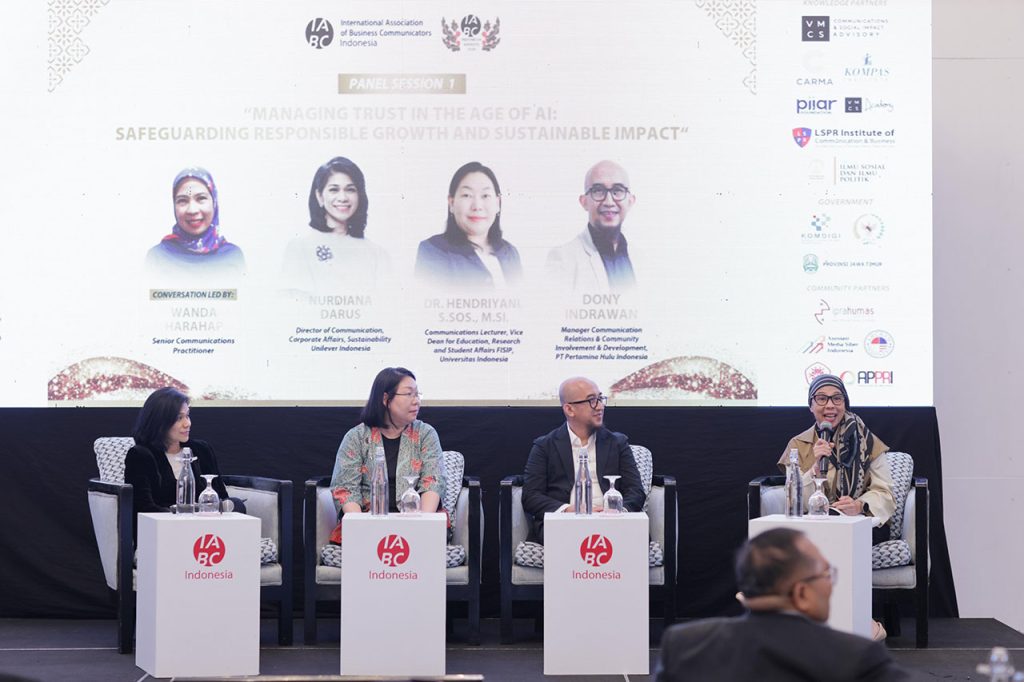
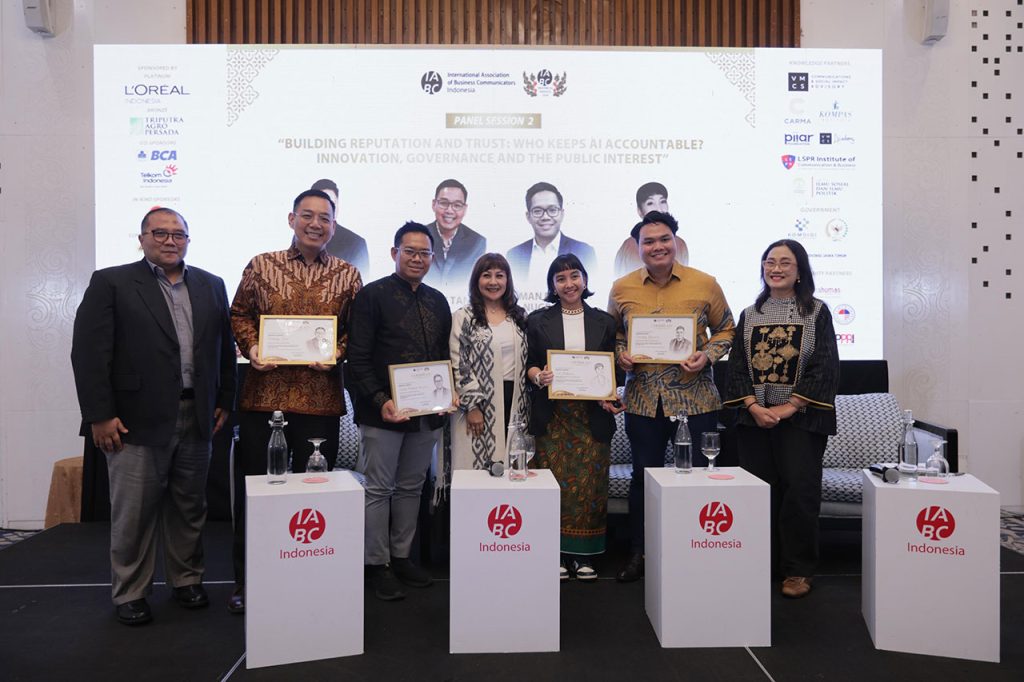
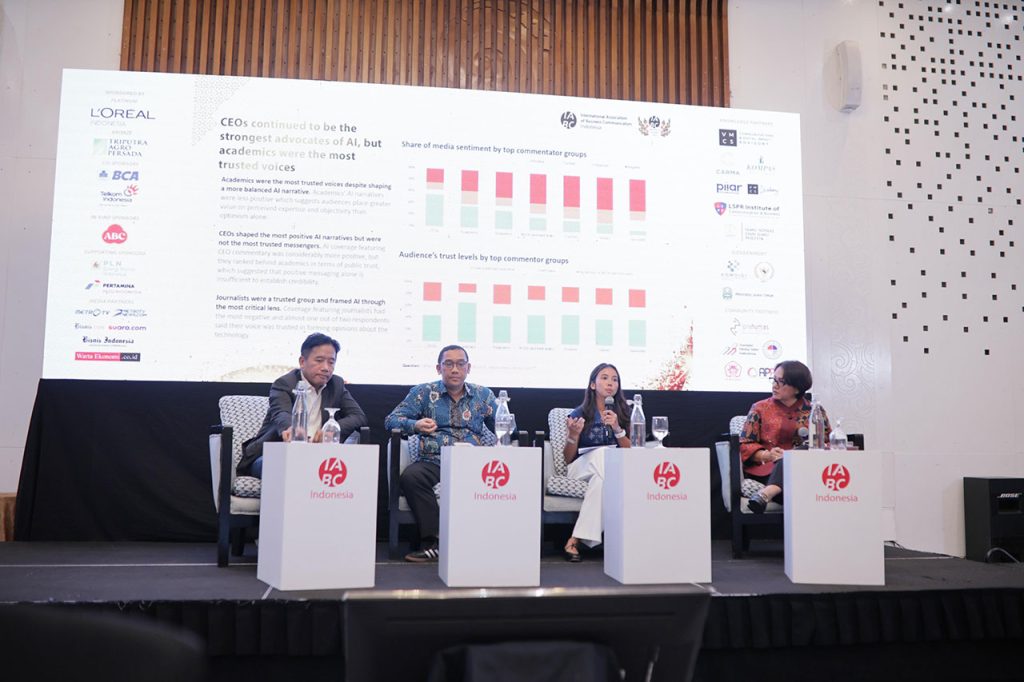
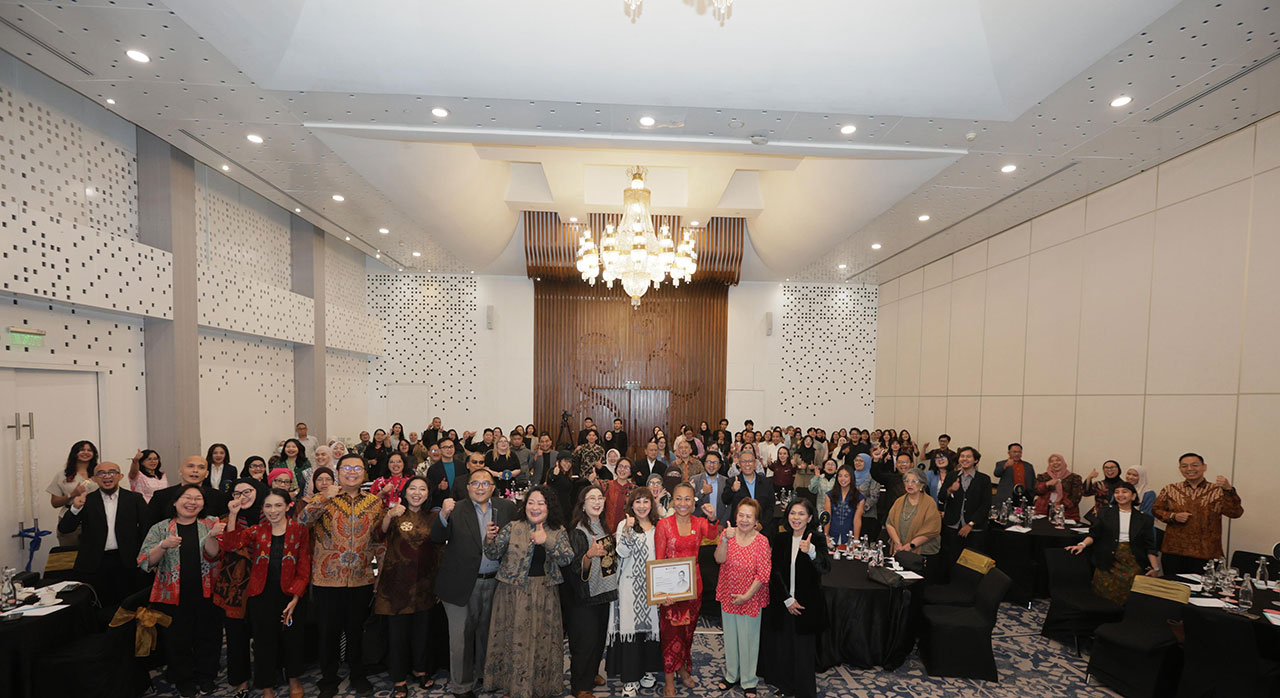
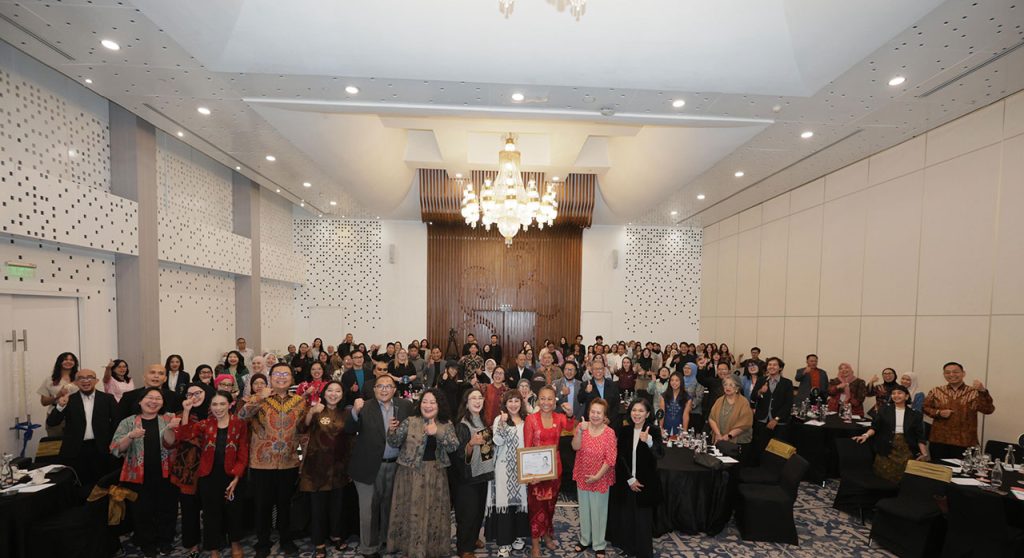
Jakarta, September 20, 2026 – The rapid rise of artificial intelligence (AI) is reshaping how information is produced, distributed, and consumed. As the volume of information grows more pervasive and increasingly convincing, the challenge for organizations is no longer simply how quickly they can deliver a message, but how effectively they can preserve credibility and earn public trust. That issue took center stage at The 5th IABC Indonesia Conference & Awards 2026, held in Jakarta on Friday (9/18) under the theme, “Driving Communications Impact: Building Trust in the Age of AI.”
The Reuters Institute Digital News Report 2026 underscores the urgency of this paradigm shift, revealing that global trust in news has fallen to 37%, the lowest level recorded since measurement began in 2015. In Indonesia, institutional trust in media dropped four percentage points year over year to 32%. Compounding this deficit, 62% of global respondents express deep concern over online misinformation and deceptive content, while a meager 20% place faith in news delivered via AI chatbots.
The Edelman Trust Barometer 2026 underscores the growing complexity of the global trust crisis. Seven in ten global respondents express reluctance or an outright unwillingness to trust those who do not share their values, information sources, worldviews, or backgrounds. This divide is equally pronounced across income lines: in Indonesia, the trust gap in institutions between high- and low-income demographics reached 26 points, among the widest recorded across surveyed nations. Ultimately, these findings reveal that the core issue extends beyond eroding trust to an increasingly fragmented social fabric.

Elvera N. Makki, President of IABC Indonesia and CEO of VMCS Communications and Social Impact, frames this situation as a trust disruption that imposes a new mandate on the communications profession. While artificial intelligence simplifies content creation and dissemination, it also blurs the line between credible messaging and manipulative media. “Communicators play a pivotal role in guiding the public toward trustworthy information. When faced with an overwhelming volume of equally persuasive content, the core challenge is no longer accessing information, but discerning fact from fiction. This is the new mandate for communicators: helping audiences navigate information complexity by making truth swiftly and accurately verifiable, while cultivating the structural conditions necessary for trust to thrive,” Elvera stated during the conference’s opening address.
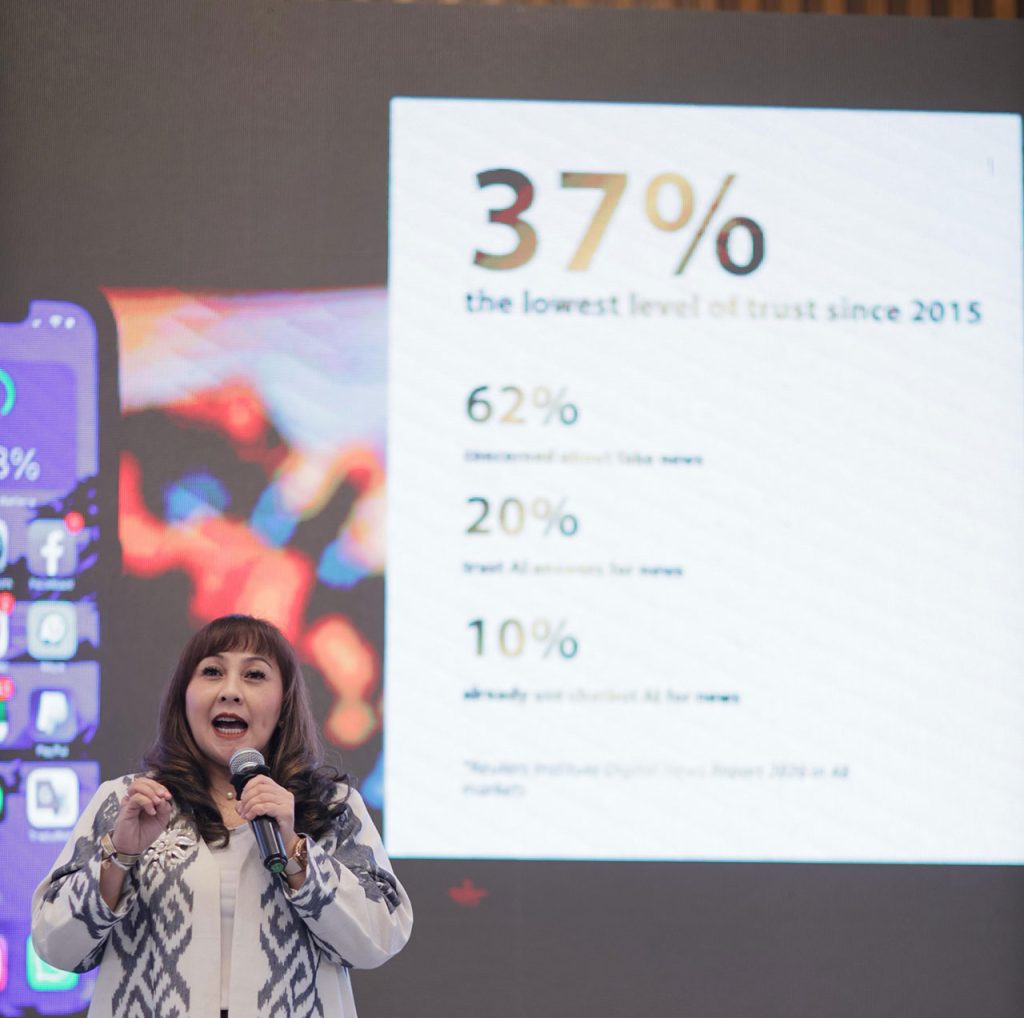
According to Elvera, concerns regarding false and misleading information are becoming increasingly severe, as they can directly impact how individuals make decisions in daily life, organizational governance, and business. Consequently, communications success can no longer be evaluated solely by a message’s reach or velocity. “Reach, engagement, and distribution speed remain relevant, but they are no longer sufficient. Impactful communication must generate understanding, reinforce trust, empower the public to make better-informed decisions, and drive behavioral change. That is where the metric of communications success must shift from outputs to outcomes and impact,” she added.
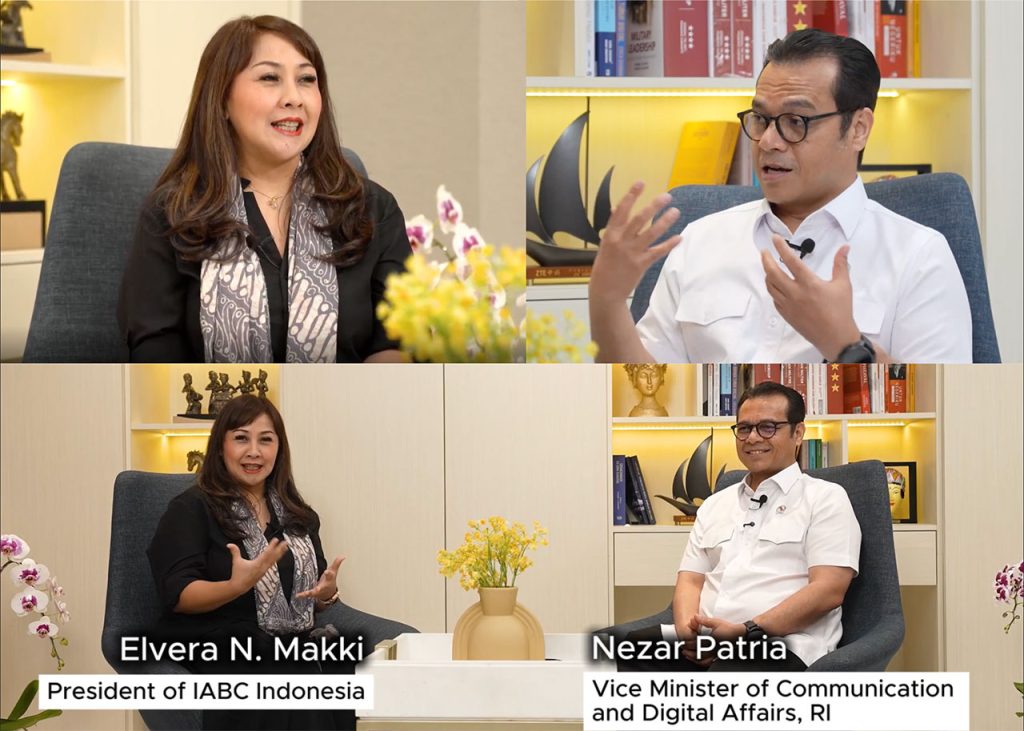
Nezar Patria, Indonesia’s Vice Minister of Communications and Digital Affairs, framed trust as a critical imperative in developing the nation’s AI landscape. Indonesia’s national AI ecosystem, he argues, must be grounded in three foundational pillars designed to guide its evolution: inclusivity, empowerment, and digital sovereignty. At the same time, AI’s growing capacity to generate hyper-realistic misinformation, disinformation, and deepfakes has blurred the line between authentic media and manipulated content. This escalating reality demands both stronger digital literacy and robust AI governance frameworks that can safeguard the integrity of technological systems and public information alike.
“Trust is paramount because it serves as the primary catalyst for public adoption of digital services,” Nezar emphasized, noting that from a communications standpoint, the core imperative of deploying AI is safeguarding information integrity to ensure transparency and credibility. Within public services, system errors in AI can deliver immediate negative impacts on citizens while swiftly eroding faith in government institutions, requiring that AI integration be accompanied by stringent safeguards, testing, sandboxing, compliance frameworks, and continuous evaluation to ensure systems deployed for public use remain dependable and trustworthy.
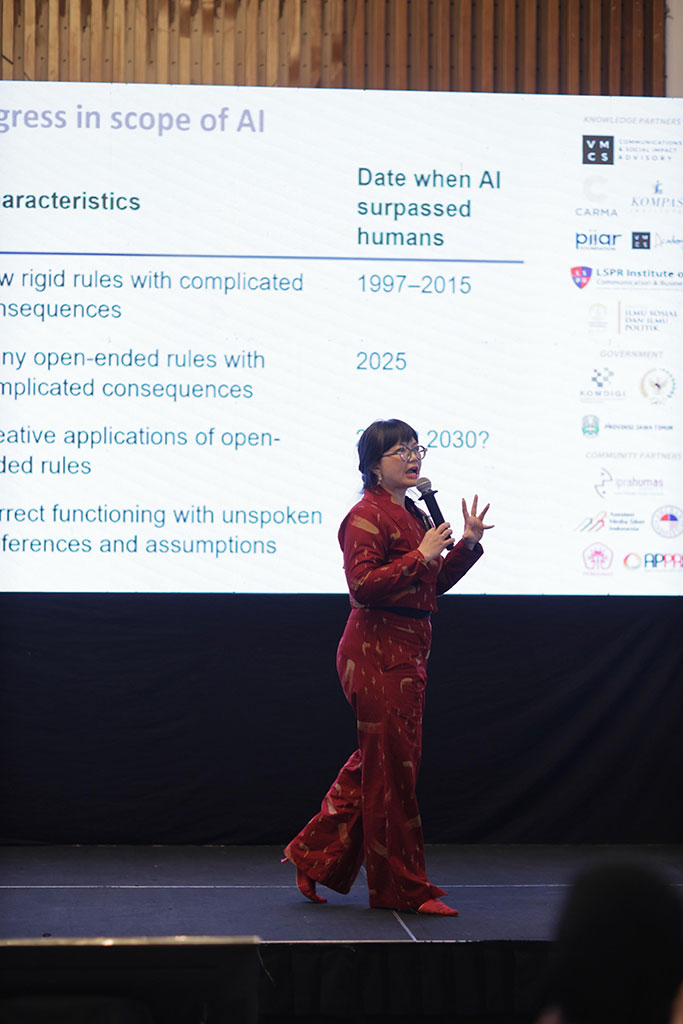
From the perspective of national AI development, Prof. Stella Christie, Indonesia’s Vice Minister of Higher Education, Science, and Technology, said the country has a distinct strategic advantage. This position rests not solely on technological capabilities, but on the alignment of infrastructure, regulatory policy, and human talent. “Indonesia possesses immense potential, but unlocking it requires a calculated strategy. When we establish the right infrastructure, policy frameworks, and talent pipeline, technology and capital investment naturally follow,” Stella noted.
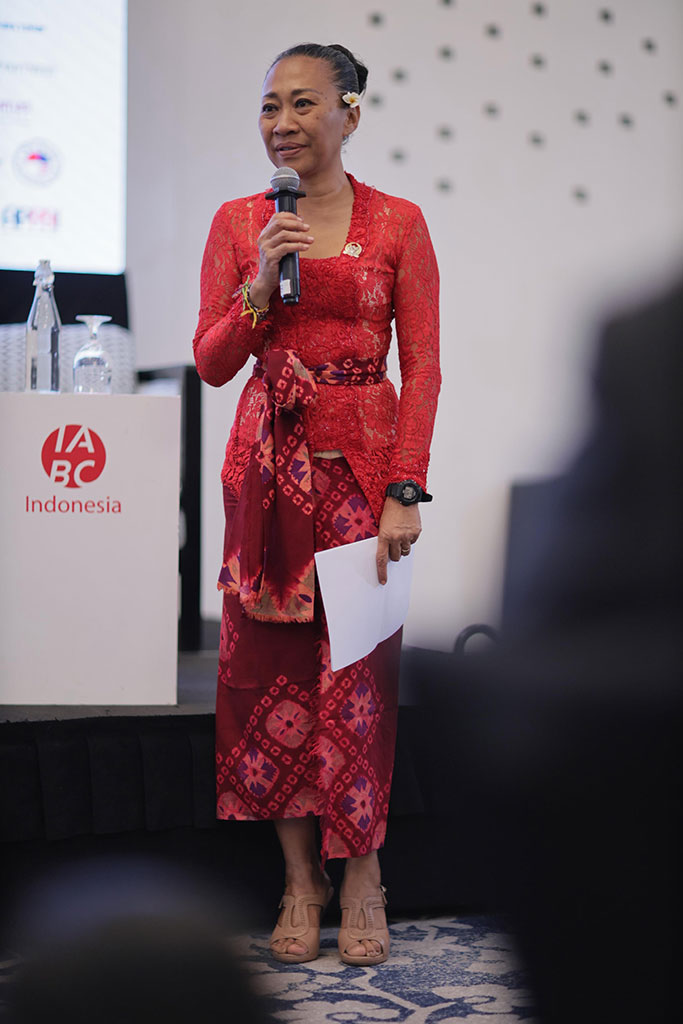
From a public-interest standpoint, Ni Luh Djelantik, Indonesian Senator for Bali Province/Member of the Regional Representative Council (DPD RI), emphasized that technological advancement must ultimately be measured by its tangible benefits to society. “Public communication cannot stop at well-crafted narratives. Communication must meet people where they are, listen to their concerns, fight for their interests, and deliver meaningful change. As technology advances, humanity must not be left behind. That is how trust is forged: when the public sees that words are backed by action,” Ni Luh asserted.
This perspective frames human-centered communication as an essential pillar of AI transformation, ensuring that technological progress does not widen information or access divides across society.
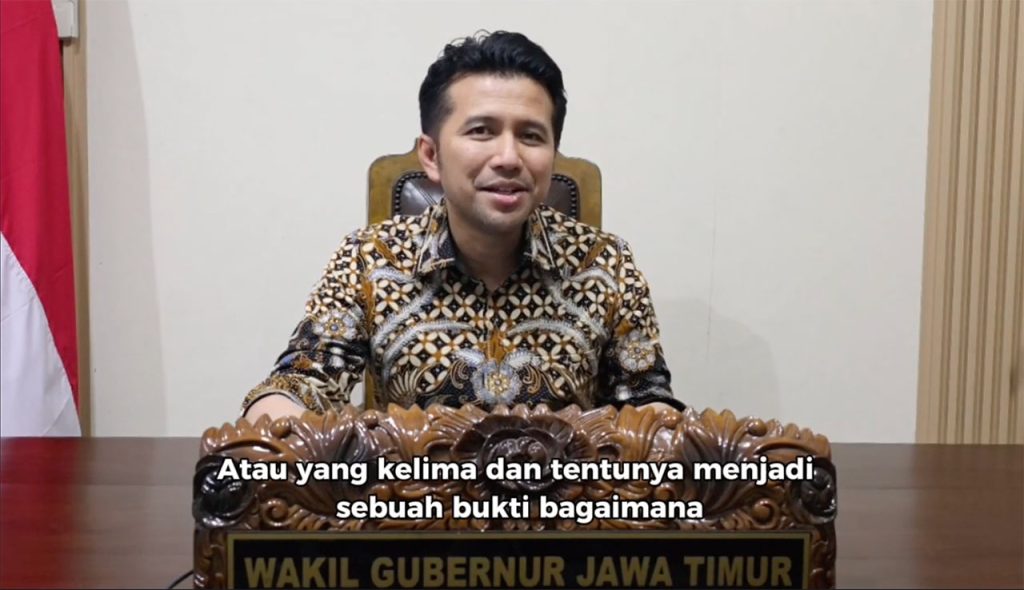
At the regional level, Emil Elestianto Dardak, Vice Governor of East Java and Distinguished Advisor to IABC Indonesia, highlighted the strategic position of provincial governments as frontline providers addressing community needs while executing public service transformation. “At the provincial level, technology must translate into services that citizens truly experience. AI offers immense opportunities to enhance governance and public service delivery, but its adoption must go hand in hand with transparency, accountability, and clear, accessible communication. Digital transformation becomes truly meaningful when technology not only drives efficiency, but also fortifies public trust,” Emil noted.
Entering its fifth iteration, the IABC Indonesia Conference & Awards consistently tackles issues at the forefront of the evolving communications discipline. This year’s theme, “Driving Communications Impact: Building Trust in the Age of AI,” expands the conversation from AI utilization toward a more fundamental imperative: safeguarding trusted technology, communication, and leadership in the eyes of the public.
As a pioneer in impact-driven communications, IABC Indonesia positions communication as a strategic function that bridges technological innovation with human and societal interests. “Across five consecutive editions, IABC Indonesia has consistently spearheaded the dialogue shaping the future of the communications profession. The message this year is clear: communication success is determined not by the volume of information produced, but by the ability to build trust and translate it into meaningful impact,” Elvera concluded.
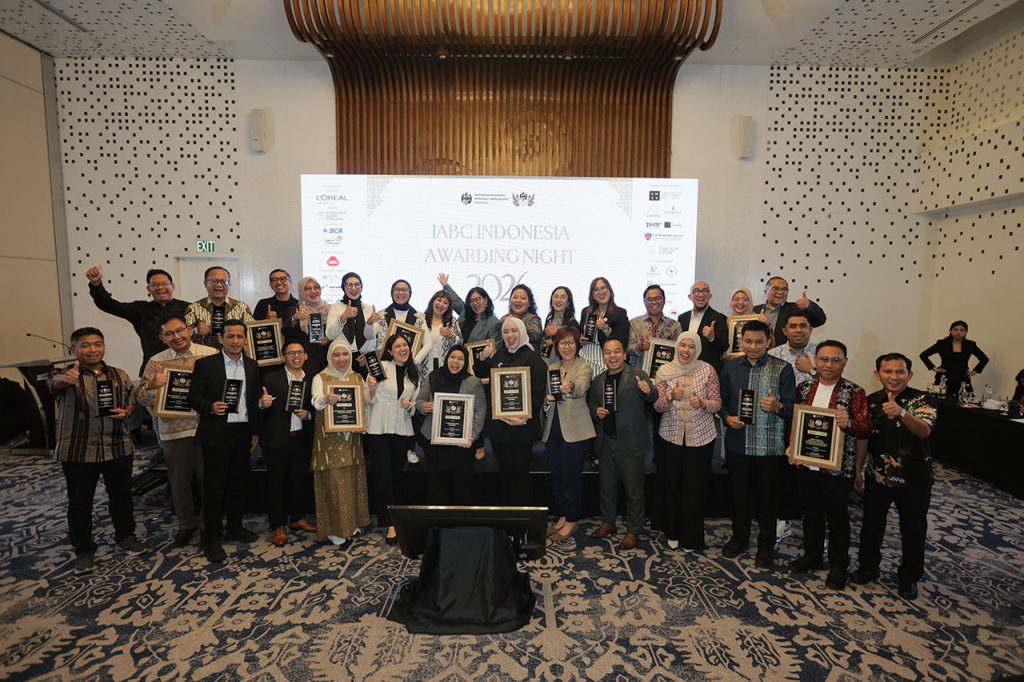
For further information, please contact:
Malvin Adrianus
Email: malvin.adrianus@iabcindonesia.com and info@iabcindonesia.com
Mobile/WhatsApp: +62 851 5633 7189
About IABC Indonesia
The International Association of Business Communicators (IABC) Indonesia Chapter serves as a non-profit association for communication practitioners and leaders across Public Relations, Corporate Affairs, Business Communications, Sustainability/CSR, and Government Relations. The organization unites professional disciplines globally while fostering the exchange of innovative best practices through shared experience, executive networking, and professional development.
Its parent organization, IABC, headquartered in Chicago, Illinois, brings over half a century of institutional heritage. As the premier global community for PR and corporate communications, IABC’s network spans more than 50 countries, encompassing over 5,000 professional members worldwide. For further details, visit iabc.com, iabcapac.com, and iabcindonesia.com.
Documentations: Panel Sessions Highlights